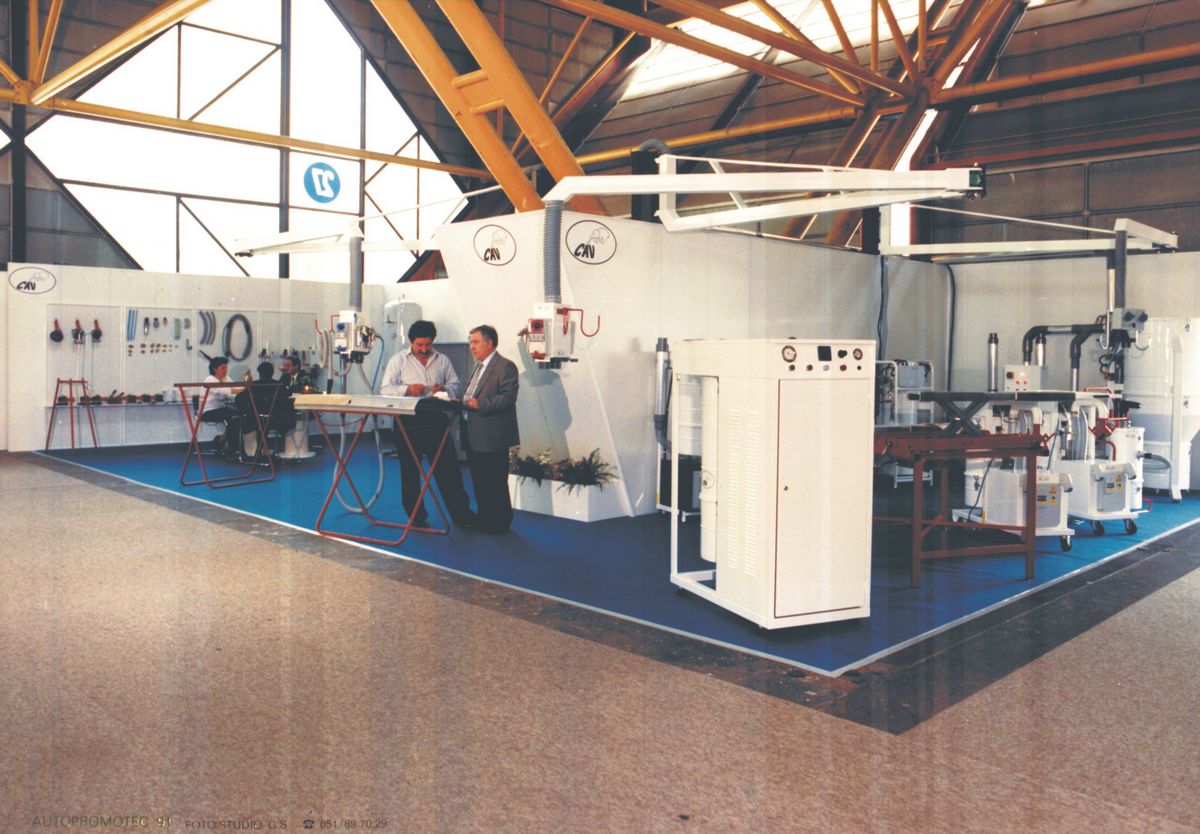
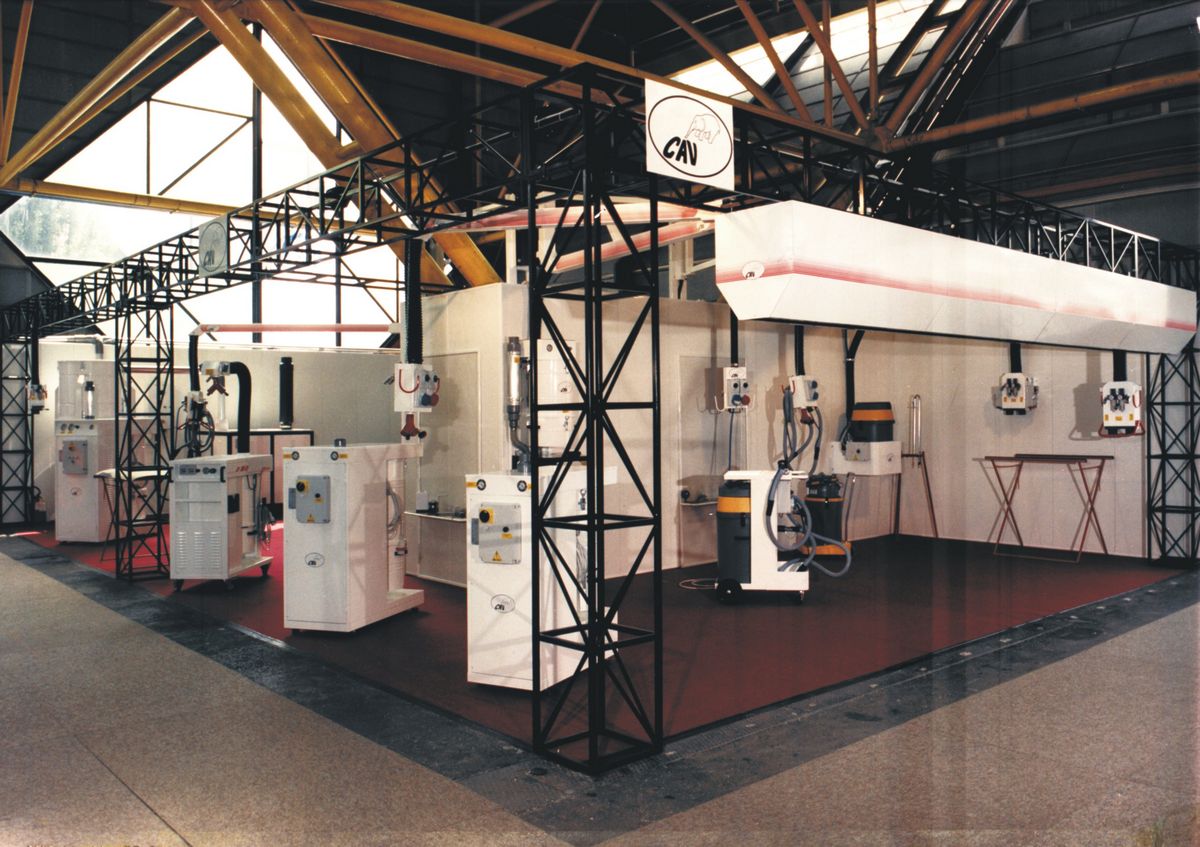
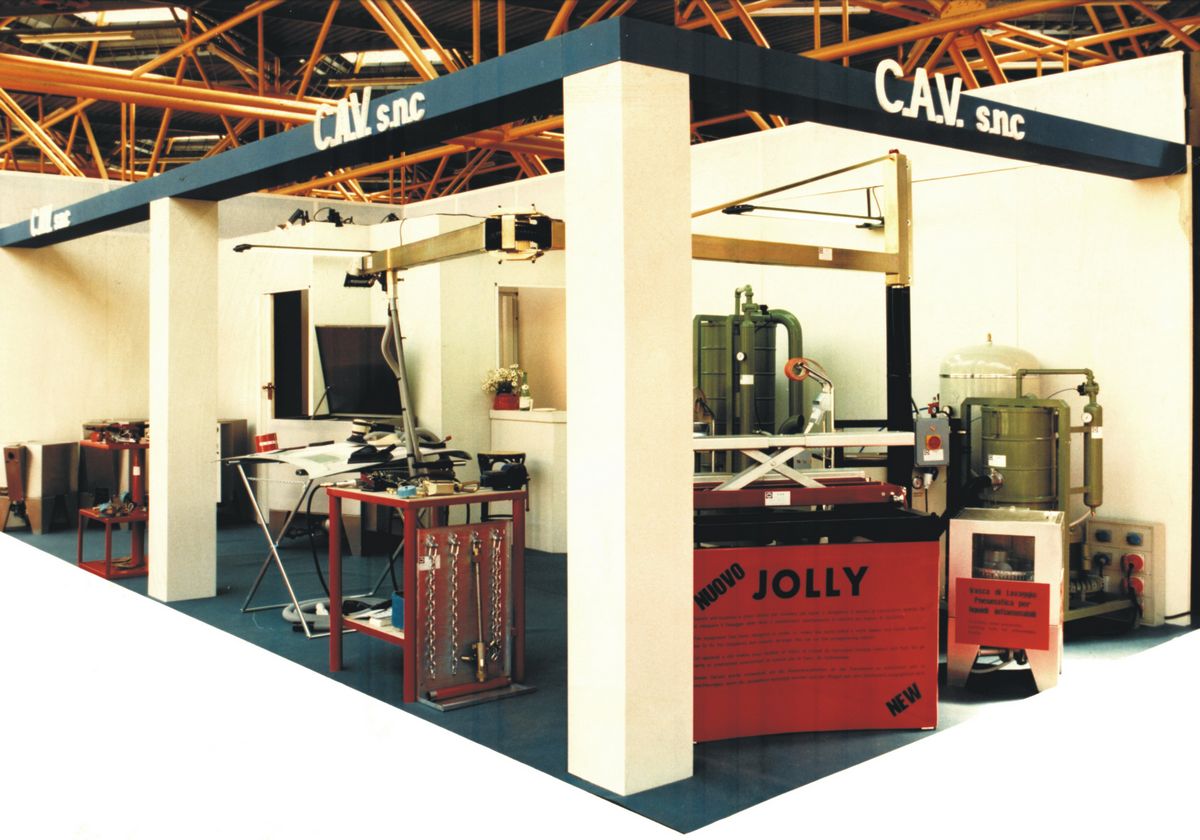
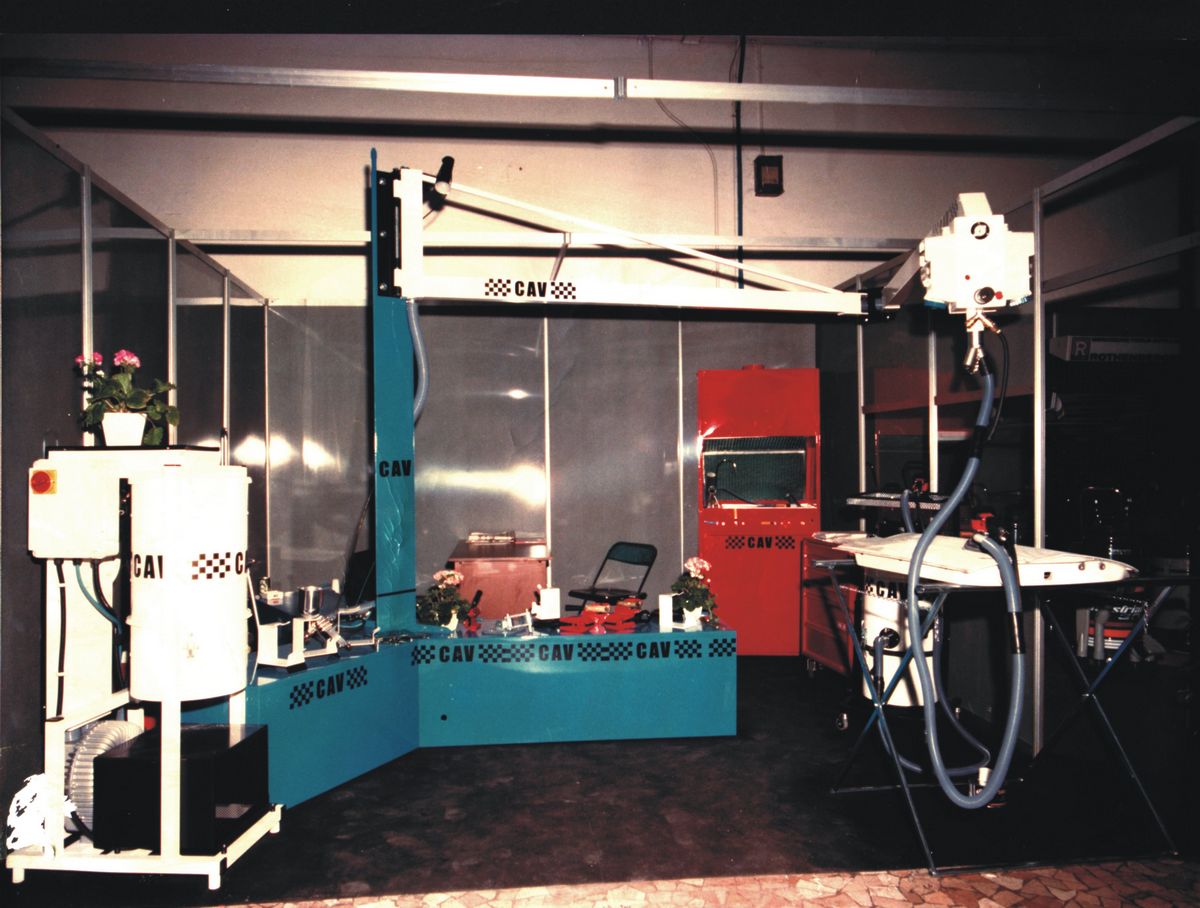
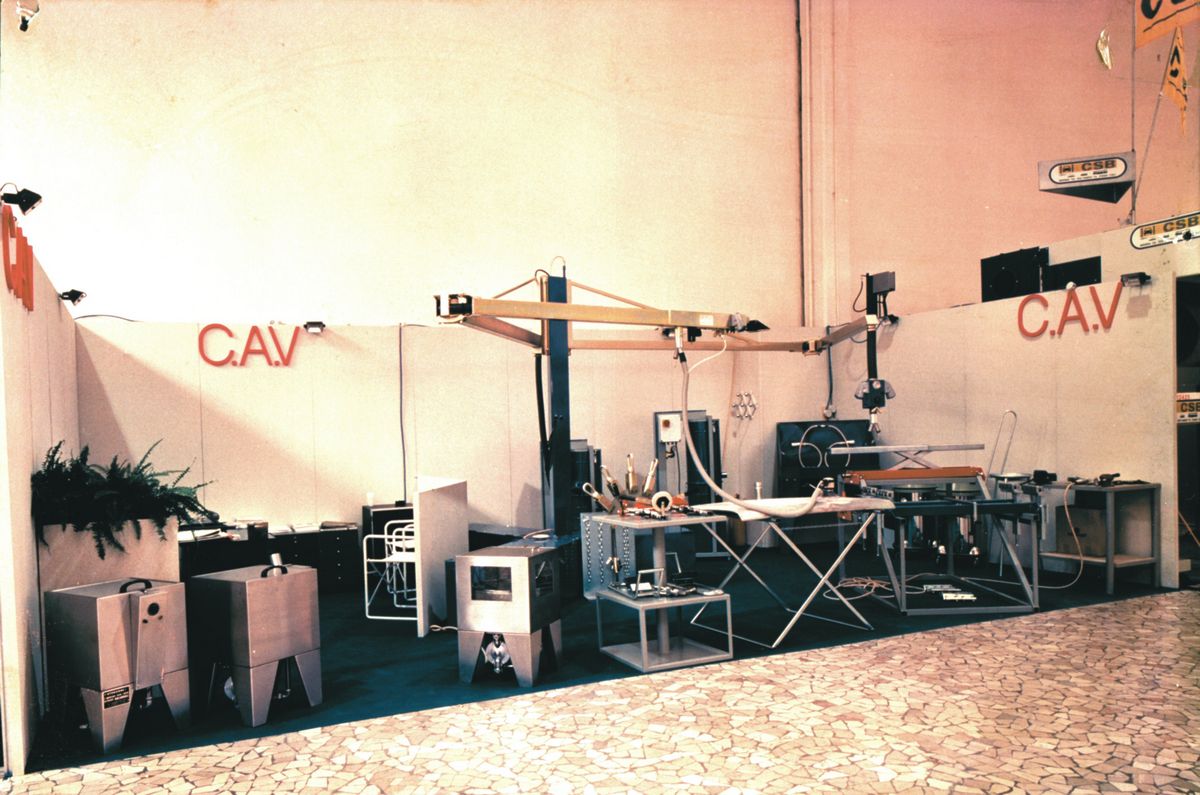
Founded in 1981, C.A.V.,was established to meet the needs of the bodywork sector in the cleaning and maintenance of airbrushes. From the very beginning, the company distinguished itself for its technical expertise and its ability to design efficient and reliable dust extraction systems.
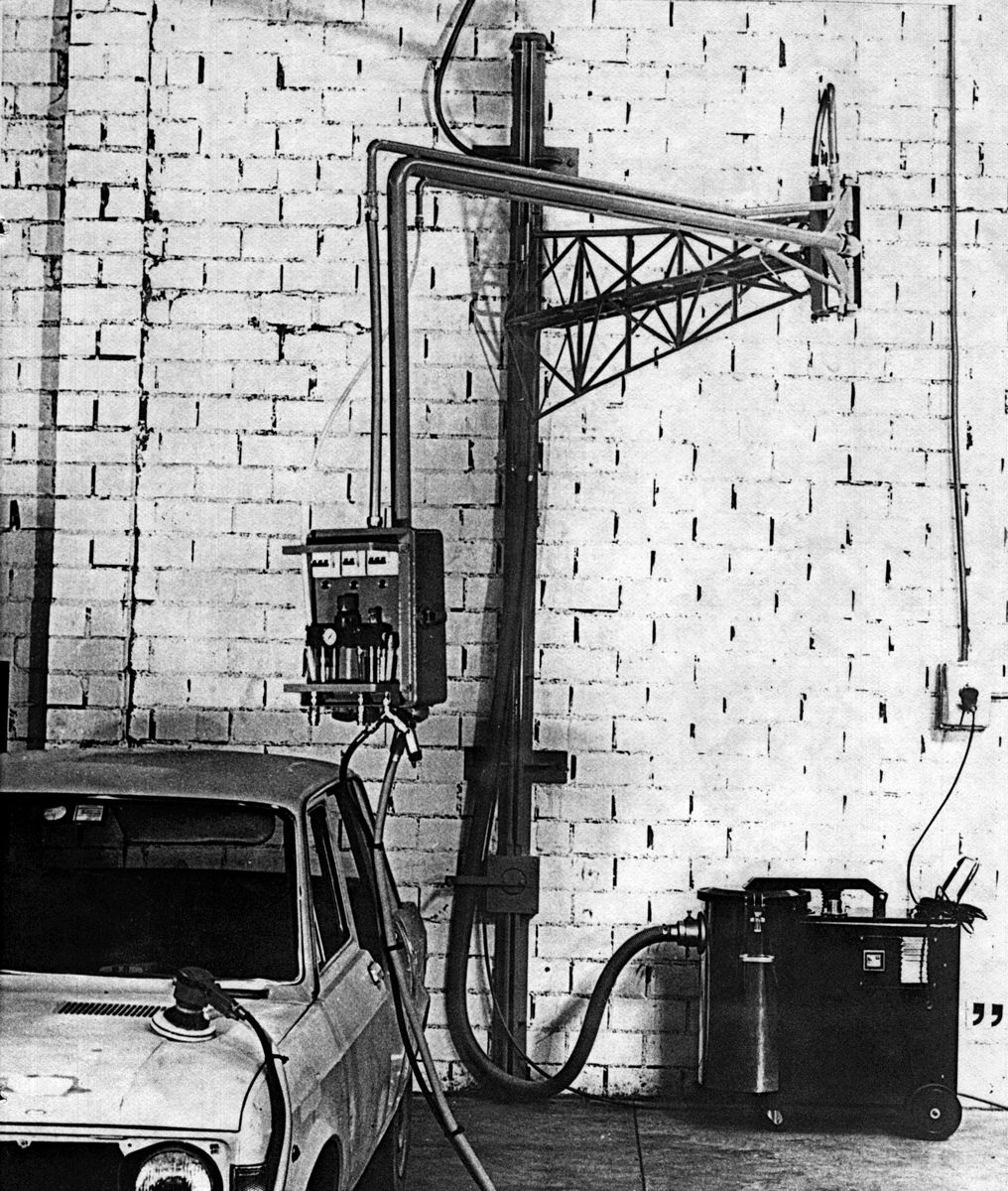
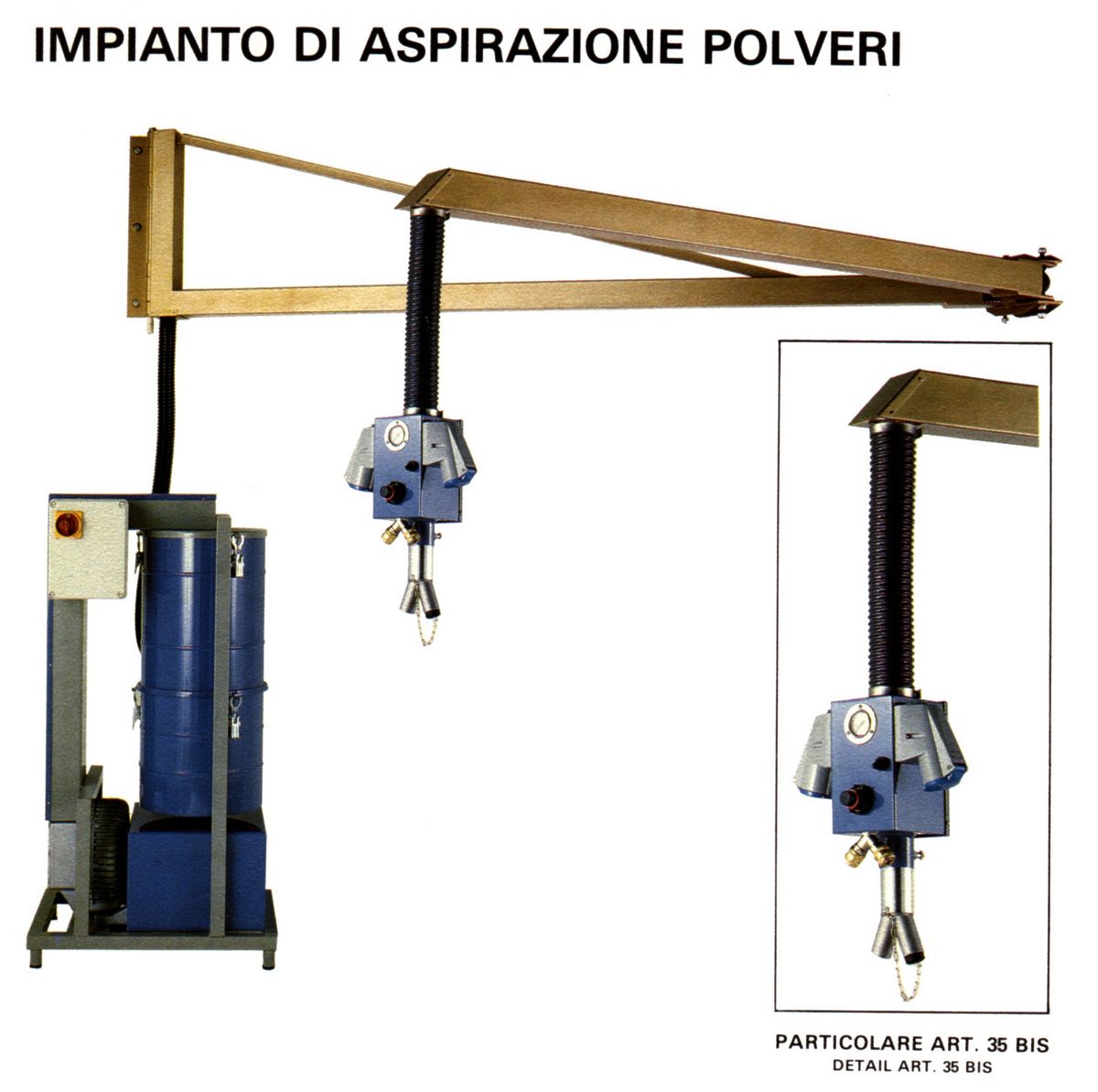
Within just a few years, C.A.V. broadened its know-how, focusing on the design and manufacture of dust extraction systems for dry sanding processes, introducing suction arms and units with mechanical technology.
This evolution marked the start of steady growth towards the engineering of customised industrial extraction systems.
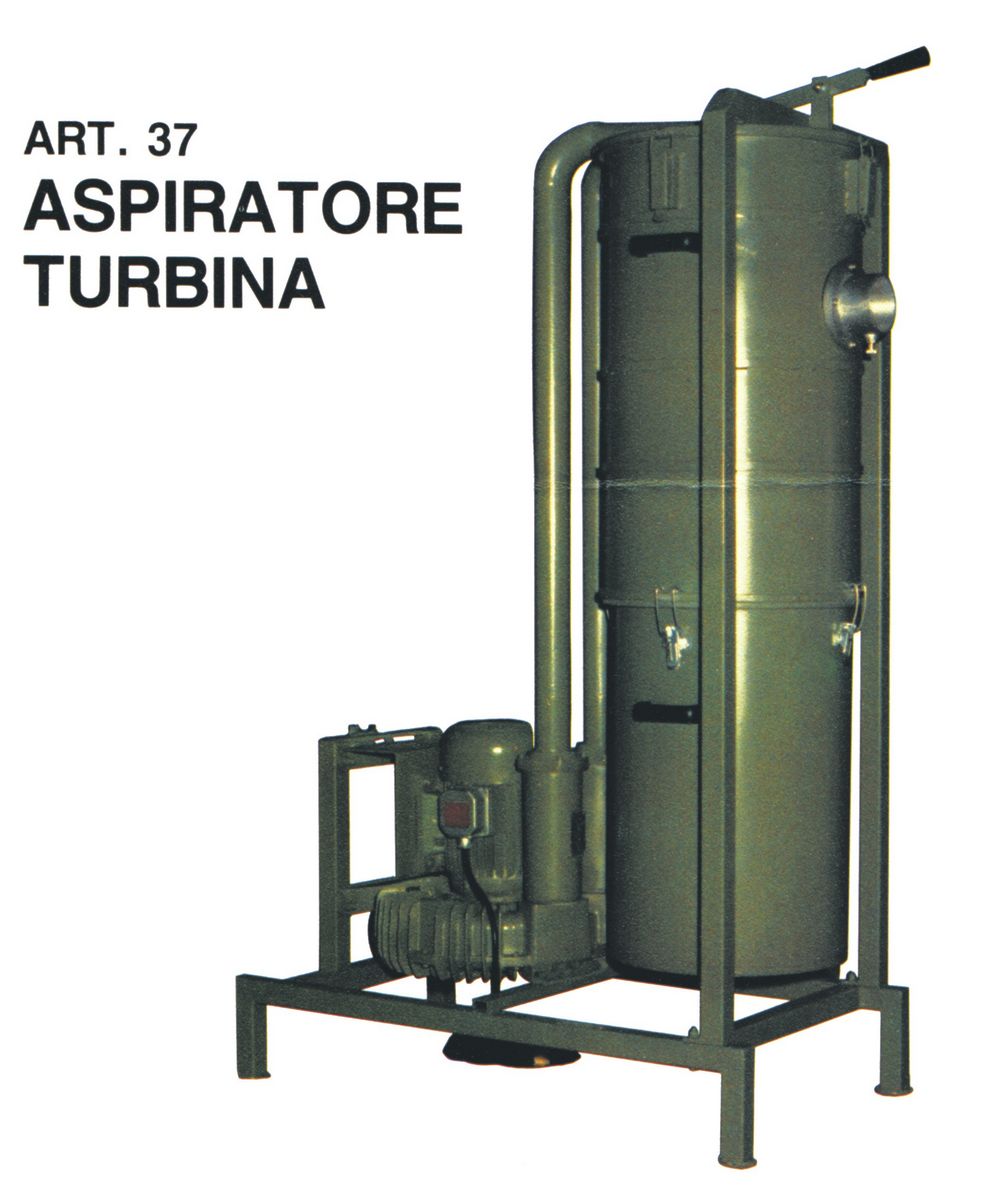
By the mid-1980s, C.A.V. had already introduced the first three-phase units for centralised dust extraction systems, equipped with self-cleaning mechanisms and dust reduction technologies.
These innovations enhanced operational continuity and workplace safety, reinforcing the company’s position as a benchmark in the sector of industrial extraction for body shops.
In 1990, C.A.V. began a process of industrialisation that signalled a major technological turning point. The company designed centralised extraction systems equipped with inverters capable of adjusting energy consumption based on the number of active operators.
This was a groundbreaking solution for the time, enabling large production facilities to optimise energy use without compromising on performance.
To complete this evolution, C.A.V. integrated its systems with pressure control software capable of monitoring and regulating the entire ducting network, in order to ensure efficiency and reliability.
In the mid-1990s, the company developed a new generation of mobile solutions for industrial extraction, designed to meet the evolving demands of the bodywork and manufacturing industries.
This innovation led to the creation of the SMAI SYSTEM, an integrated mobile system combining dust extraction, compressed air, and electricity within a single modular and versatile platform.
The SMAI SYSTEM represented a decisive step towards the integration of utilities within production processes, anticipating the flexibility and safety standards of modern workshops.
Through continuous research and an innovation-driven design approach, C.A.V. gradually expanded into other sectors beyond bodywork, including boating, woodworking, and carbon fibre and fibreglass processing.
The company strengthened its role as a technical partner for industrial extraction systems, offering tailored solutions for every production environment.
Today, after more than forty years of experience, C.A.V. continues to develop high-efficiency industrial extraction systems, combining tradition with digital innovation.
Each project is the result of dedicated technical consultancy and a constant focus on safety, sustainability, and optimised energy consumption.
Drawing on its history and the strength built over time, C.A.V. stands as a trusted reference point for companies in search of reliable, high-performance, and customised solutions in the field of industrial dust extraction.
How long has C.A.V. been manufacturing industrial extraction systems?
The company has been designing and manufacturing dust extraction systems for the industrial sector since the year it was founded, in 1981.
In which sectors does C.A.V. operate?
C.A.V. technologies are applied in the fields of bodywork, boating, the wood industry, and carbon fibre and fibreglass processing.
What is the main innovation introduced by C.A.V. over time?
Among the most significant are the SMAI SYSTEM, which combines extraction, compressed air, and electricity within a single mobile platform, and the early introduction of systems with inverters and pressure control for energy efficiency.